
American parents are investing more than ever in meaningful summer experiences for their children — and the numbers back it up. The U.S. summer camp market reached an estimated $4.6 billion in 2025, growing at a compound annual growth rate of nearly 7%, according to industry analysts.[1] But behind that headline figure lies a more interesting story: families aren’t just signing up for traditional camps anymore. They want programs that blend active lifestyles, action sports, and the flexibility of both indoor and outdoor environments — and the industry is responding in a big way.

A Market in Motion
According to the American Camp Association, more than 12,000 day and overnight camps currently operate across the United States, serving approximately 14 million children each year.[2] That’s a substantial ecosystem — and it’s evolving rapidly.
Camps have expanded well beyond the traditional mix of outdoor activities and crafts to integrate social-emotional learning, wellness programming, and specialized skill tracks, with action sports and active-lifestyle programs emerging as some of the fastest-growing categories.[1]
The forces driving this shift are broad and converging. Increasing parental awareness of the negative impacts of excessive screen time is prompting families to seek out engaging, unplugged summer activities for their children. At the same time, a growing emphasis on physical activity and outdoor experiences for children’s health is driving demand for camps offering active and adventurous programs.[3] Add in the rise of dual-income households — where structured, safe summer programming is a practical necessity — and you have a market with genuine momentum.
The Action Sports Revolution
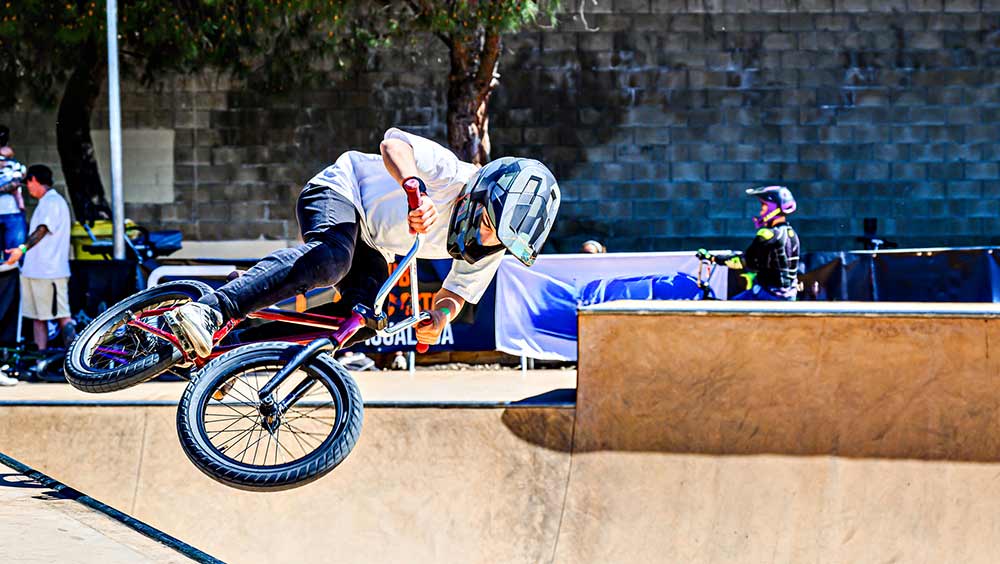
Perhaps nothing illustrates the shift more vividly than the rise of action sports camps. Where past generations attended camps centered on swimming, hiking, and team sports, today’s young athletes are grinding rails, hitting mountain bike trails, and dropping into halfpipes — all under the guidance of skilled instructors in purpose-built facilities.
Alpine-X is in the process of developing a new category of indoor snowsports resorts with year-round snow (yes, it’s REAL snow) and entertainment that combine sports, snow play, youth programs and camps, and hospitality. Alpine-X resorts are designed to create a clear progression of experiences for guests of skill levels and abilities, with 350K sq. ft. indoor snow area with multiple slopes, terrain park, snow play, snow tubing, and learning area. Group activities and summer camps will be a key part of the company’s financial model. Other amenities include an upscale hotel, a variety of family entertainment options, bars, and restaurants.
Woodward PA is often cited as the gold standard of the genre. Located in Pennsylvania’s rural Amish Country, the campus features a sprawling collection of indoor and outdoor skateparks, a Mega Ramp, a concrete snake run, a ropes course, go-karts, and even a wakeboard pond — offering BMX, scooter, skateboarding, parkour, and snow sports programs that attract campers from across the country. And Woodward’s newer facility, Woodward Park City, features trampolines, foam pits, skate parks, and airbags to help guests and athletes progress in skateboarding, skiing, parkour, rollerblading, scootering, biking, and acrobatics, to name a few. Woodward programs can be tailored for participants of any skill level—from beginner to X-Games-level pro.
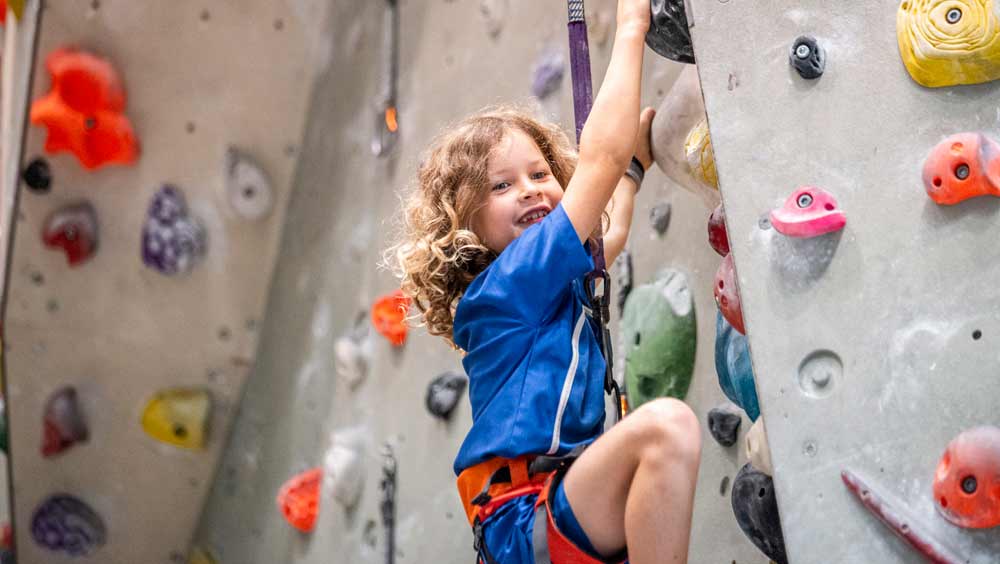
On the West Coast, Wy’East Mountain Academy, situated at the base of Oregon’s Mt. Hood, has built a year-round campus that serves both first-timers and professional athletes. With a 12,000 square foot indoor skatepark, Olympic-sized flybed trampolines, an airbag, a rock climbing wall, and a boutique fitness center — all complementing outdoor skiing, snowboarding, and mountain biking terrain — the academy offers a seamless indoor/outdoor training environment regardless of weather conditions. The campus’s location at Mt. Hood also provides lift-served skiing for nine months of the year, making it a rare true year-round facility.
For families in the Northeast, No Bad Weather NYC has built a compelling urban model. Their Summer Sports Academy takes advantage of everything New York City and the surrounding area has to offer, with weekly programming that includes mountain biking, surfing, skateboarding, and survival skills — plus an optional extended day program at their indoor facility that adds trampoline practice, indoor skateparks, and more. The camp runs from late June through early September, with flexible weekly, daily, and extended-day enrollment options.
In North Carolina, Ramp Camp at the Daniel Dhers Action Sports Complex (Holly Springs) provides a fully covered indoor/outdoor skatepark where BMX, scooter, and skateboard campers can train rain or shine. The program is designed for all skill levels and maintains strict helmet and pad requirements, striking a balance between progression and safety that resonates strongly with today’s parents.
The Indoor/Outdoor Advantage
One of the most significant evolutions in youth programming is the deliberate blending of indoor and outdoor environments. Traditional camps lived and died by the weather; modern action sports facilities have engineered around that limitation.
Many emerging youth sports — from flag football to skateboarding to pickleball — can be played indoors or in flexible formats, enabling facilities to offer year-round programming and drive consistent enrollment.[4] This isn’t just a business advantage; it’s a design philosophy that mirrors how today’s young athletes actually want to train.
Windells, the iconic Mt. Hood-based camp that helped launch the careers of countless professional snowboarders and skiers, offers overnight and day camp options across ski, snowboard, skateboard, and mountain bike disciplines — with indoor facilities that allow athletes to continue progressing when conditions outside aren’t ideal.
Multi-sport programs are increasingly popular for younger campers who haven’t yet chosen a specialty. AKASPORT’s All-Sports Summer Camp (grades K–9) rotates campers through soccer, basketball, flag football, floor hockey, and more across 13 weeks of summer, with ability groupings that help both beginners and more advanced players thrive. It’s a model built on the understanding that early exposure to a variety of sports produces more well-rounded, lifelong athletes.
What Parents Are Really Looking For
Enrollment trends reveal that parents today are making sophisticated decisions about youth programming. The rise of experiential learning — camps emphasizing hands-on activities and real-world application — is one of the most prominent trends reshaping the market.[5] Families want their children to build genuine skills, not just fill time.
Youth sports leagues, swimming classes, dance studios, and after-school enrichment programs remain popular among families aiming to balance academics with active lifestyles, helping children build teamwork skills, confidence, and healthy habits outside of digital entertainment.[6]
Physical safety and emotional wellbeing are also top of mind. Programs that pair physical progression with character development — teaching kids how to handle risk, push past fear, and persevere through failure — are increasingly seen by parents as a meaningful complement to academic education.
At the same time, operational improvements have made the enrollment process more seamless. Technological advances are enhancing camp operations through online registration, communication apps, and real-time parent updates — reducing friction and building the kind of trust that leads to repeat enrollment year after year.[3]
Notable Programs Worth Knowing
Here’s a quick reference guide to standout programs across the country:
| Program | Location | Focus |
|---|---|---|
| Woodward PA | Pennsylvania | Skate, BMX, scooter, parkour |
| Wy’East Mountain Academy | Mt. Hood, OR | Ski, snowboard, MTB, skate (year-round) |
| Windells | Mt. Hood, OR | Ski, snowboard, skate, MTB |
| No Bad Weather NYC | Brooklyn, NY | Surf, skate, MTB, indoor/outdoor |
| Ramp Camp (DDASC) | Holly Springs, NC | BMX, scooter, skateboard |
| Camp Lohikan | Lake Como, PA | Extreme sports, skate, ropes, water |
| AKASPORT All-Sports Camp | Multiple locations | Multi-sport, grades K–9 |
| US Sports Camps (Nike) | Nationwide | Sport-specific and multi-sport |
Looking Ahead
The summer camp market is projected to reach $6.2 billion by 2033.[2] As that growth unfolds, the camps best positioned to capture it will be those that take active lifestyles seriously — not as a tagline, but as a design principle. That means facilities built to perform in any weather, programming that develops real skills across a range of disciplines, and instructors who treat young athletes with genuine respect.
The screen isn’t going anywhere. But for a growing number of American families, neither is the skatepark, the halfpipe, or the mountain trail. The demand for youth programs that make movement exciting — and keep kids coming back year after year — has never been stronger.
Sources
- IBISWorld – Summer Camps in the US Industry Analysis, 2025
- Verified Market Reports – Summer Camps Market Size & Forecast
- Mark Wide Research – Youth Summer Camp Market 2024–2032
- Sports Facilities Companies – Emerging Youth Sports Facilities Should Offer in 2025
- Data Insights Market – Children’s Summer Camp Market Analysis 2026–2034
- Future Market Insights – Demand for Kids Recreational Services in USA